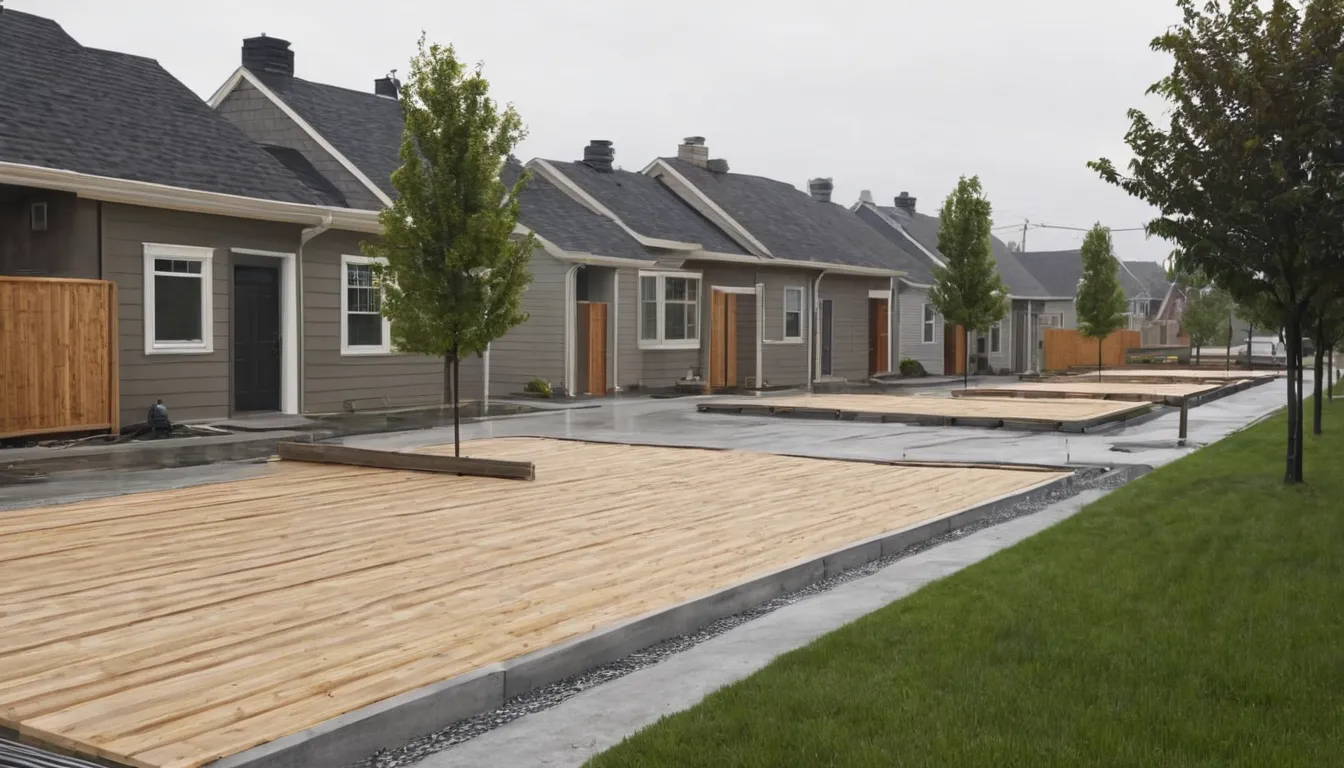
Need concrete driveways services in California?
Tell us about your driveway or patio project and request an estimate. A provider in our network can follow up with questions and a written quote.
No obligationRequest an estimate today
A driveway is the largest flat surface on most lots. It carries cars, snow, water and years of weather. When it is poured over a weak base or with poor slope, problems show up fast. Cracks, pooling water and sunken edges hurt curb appeal and can raise concerns at resale.
Oktka Concrete is a referral service. It does not pour or finish concrete. It connects homeowners in the California area with independent local providers who handle concrete flatwork. This page gives plain do and do-not guidance so you can ask better questions, compare written quotes and avoid costly mistakes before you sign anything.
Most people ask this after a bad winter. The surface looks rough, the edges crumble, or water sits near the garage. Take a calm look before you decide. A new slab is a big job, and it should be a planned one.
Look for these problems:
One hairline crack is normal. Many cracks across the whole surface point to a base problem.
Some damage is small. A few narrow cracks or a worn patch can often be sealed or patched. Concrete driveway repair makes sense when the base is sound and the slab is mostly level. If a provider says the slab is moving, it is usually cheaper to replace it than to patch it again and again.
A complete job has several steps. Ask each provider to list them in writing:
If a quote skips the base step, ask why.
The base decides how long the slab lasts. Concrete only looks strong on top. Underneath, the soil must be firm and the gravel must be packed in even layers.
Do ask how deep the gravel will be and how it will be compacted.
Do not accept a pour over soft, wet or loose ground.
Water is the main enemy of any slab. The driveway should slope away from the house, the garage door and the foundation. Water pushed toward a basement wall can cause problems that need foundation repair experts, which costs far more than the driveway itself. Ask the provider where runoff will go. Make sure it does not flow onto a neighbor's lot either.
Measure how many cars you park, and add room to open doors. Many homes with a single car and a narrow lot need a different layout than a wide split-level lot.
A typical home driveway is about four inches thick. Heavier trucks or RVs may call for more. Reinforcement with steel bar or mesh can help control cracking.
For finish, a broom texture gives grip when the surface is wet or icy. A smooth finish looks clean but can be slippery. If you want a decorative look, stamped options exist, and stamped concrete patios have their own page here.
Concrete shrinks as it cures. Control joints give it a planned place to crack. Without them, cracks appear anywhere. Ask how far apart the joints will be and when they will be cut.
The apron is the section where the driveway meets the street. Many towns control it, and some require a permit or an inspection. Some also limit driveway width or the amount of paved surface on a lot.
Humid summers, nor'easters and freeze-thaw winters are hard on concrete. Ask about air-entrained concrete, which resists freeze damage. Ask about sealing too. Avoid pouring in freezing weather unless the provider has a clear plan to protect the slab.
When you use de-icing products, choose ones that are safe for new concrete. Many experts advise waiting through the first winter.
Ask, then sign. Before you pick anyone, check these items:
Be careful with anyone who pushes you to decide today, asks for most of the money upfront, or will not put details in writing.
Get at least two or three written quotes. Make sure they cover the same size and the same steps. A low number often leaves out base work or removal. Oktka Concrete can help you reach providers in our network, but you choose who to hire.
Request a callback to check provider availability in your area.
The first week matters. Keep cars off for at least a week or as the provider advises. Keep foot traffic and pets off for the first day or two. Keep sprinklers from soaking the edges, and do not let the slab dry too fast in hot weather.
Seal the surface when the provider says it is ready. Keep gutters and downspouts clear. Fix small cracks early. Use plastic shovels in winter, since metal blades can chip the edges.
A driveway done right adds curb appeal and supports resale value. Buyers notice a clean, level, well-drained entrance.
Breaking up, hauling away and disposing of the old driveway so the new one starts clean.
Shaping the ground, adding compacted gravel and setting the slope so water drains away.
Setting edges to your layout, with steel bar or mesh where thickness or load needs it.
Placing the concrete, giving it grip, cutting control joints and curing it properly.
Prices vary by size, soil, access and local rates. Use these ranges as a rough guide, and always ask for a written quote.
| Item | Typical range | Notes |
|---|---|---|
| Old slab removal | $1,000 – $3,500 | Depends on thickness and disposal fees |
| Base prep and grading | $1,000 – $4,000 | Poor soil or slope adds cost |
| Standard broom-finish slab | $6 – $12 per sq ft | Common four-inch residential slab |
| Thicker or reinforced slab | $8 – $15 per sq ft | For heavier vehicles or weak ground |
| Colored or decorative finish | $10 – $20 per sq ft | Varies with pattern and color |
| Permit and street apron work | $100 – $2,500 | Rules differ by town |
Tell us the size, location and what you want done. Photos of the current driveway help.
A local provider in our network may reach out to discuss your driveway and arrange a visit.
Check scope, base depth, thickness, joints and permits side by side before you decide.
Pick the provider you trust, confirm the permit plan in writing and set a start date.
Plain lists help you spot weak quotes and risky shortcuts before any money changes hands.
You compare local providers in our network and choose the one that fits your project.
Learn what a good written quote should show, from base depth to joint spacing, before you sign.
Request an estimate and take your time. There is no obligation to hire anyone.
Tell us about your driveway or patio project and request an estimate. A provider in our network can follow up with questions and a written quote.
No obligationA well-built concrete driveway can last decades. Lifespan depends on base prep, drainage, thickness, joint placement and climate. Freeze-thaw winters shorten it when the base is weak or water collects under the slab.
No. Concrete needs time to cure. Most providers advise keeping foot traffic off for a day or two and vehicles off for about a week. Follow your provider's instructions, since weather can change the timing.
Often yes, especially for the street apron or a wider driveway. Rules differ by town. Ask your local building office what applies, and confirm in writing which party will handle the permit.
Tell us about your driveway or patio project and request an estimate. A provider in our network can follow up with questions and a written quote.
No obligation